
Industry
Cleaning Chemistry for Petrochemical Plants
Process cleaning chemistry for ethylene crackers, polymer facilities, and specialty chemical operations where process contamination and fouling directly impact product quality and yields.
Petrochemical facilities present a distinct set of cleaning chemistry challenges compared to crude oil refining. Polymer and oligomer fouling in ethylene crackers and polymerization units can be highly resistant to conventional solvents. Quench oil systems accumulate tar and heavy aromatic deposits. Charge heaters and transfer line exchangers experience coking at elevated temperatures. Catalyst and inhibitor systems create deposit profiles that require careful chemistry selection to avoid downstream contamination of product or catalyst beds.
The consequences of fouling in petrochemical operations extend beyond energy penalty — fouled equipment directly affects yield, product quality, and production rate. A heat exchanger operating below design duty in an ethylene plant is not just an energy issue; it is a throughput constraint. Indie Chem Co understands these operational stakes and develops cleaning programs that address the specific fouling mechanisms in your process without introducing chemistry that could harm catalyst activity, downstream product quality, or metallurgy.
Relevant Services
Programs for petrochemical operations.
Heat Exchanger Cleaning Chemistry
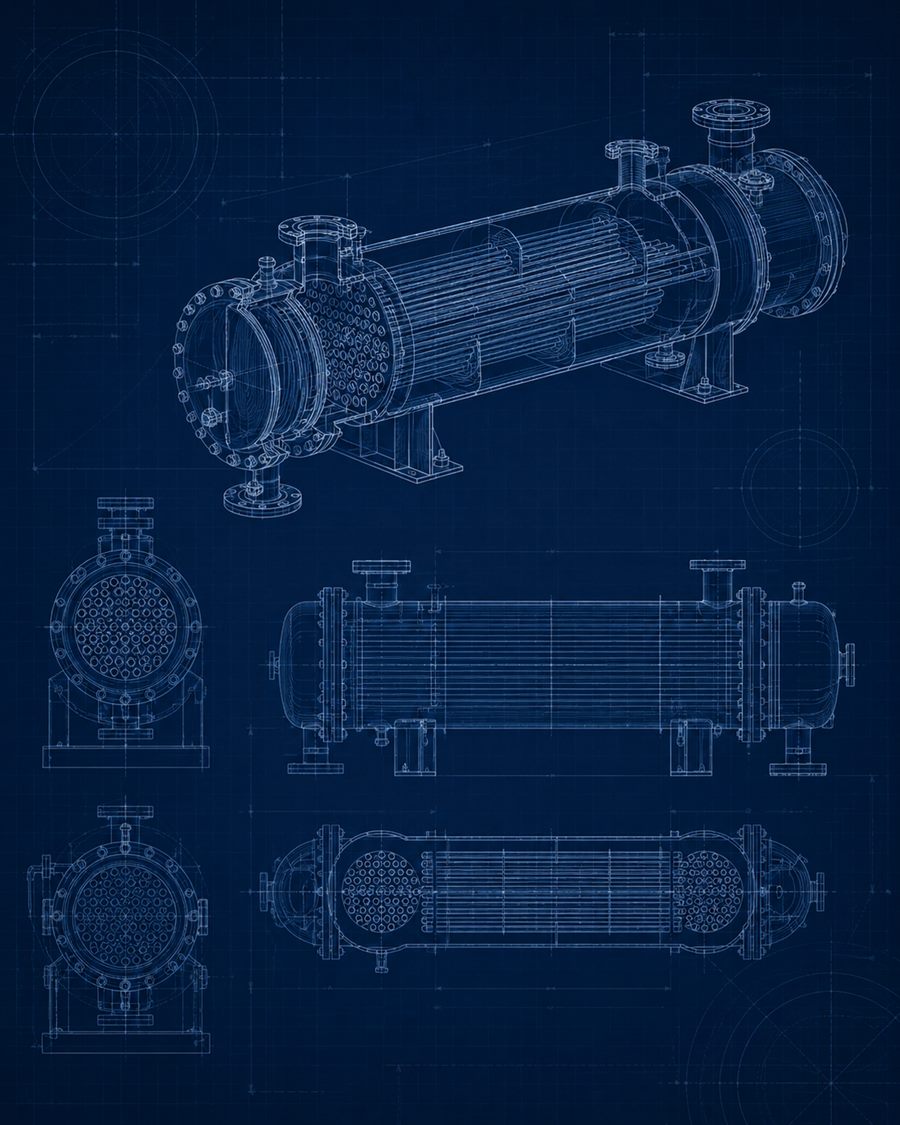
Polymer, coke, and heavy organic deposit removal from process exchangers, quench systems, and transfer line exchangers in ethylene and petrochemical service.
Learn More →Refinery Unit Cleaning Chemistry
Applicable to aromatics extraction, hydroprocessing, and catalytic reforming units associated with petrochemical complexes.
Learn More →Tank Cleaning Chemistry
Quench oil tank, slop, and product storage cleaning programs for petrochemical terminal and storage operations.
Learn More →Operational Outcomes
Repeatable results where generic fails.
Petrochemical operators using Indie Chem Co programs have restored heat transfer performance in fouled exchangers, reduced turnaround time in cracker and reforming unit shutdowns, and addressed quench oil system fouling that was degrading product quality.
In each case, the chemistry was selected and deployed after a technical review of the specific fouling mechanism and process context — not applied as a default product against an assumed problem. That distinction in approach is what produces reliable, repeatable results in process environments where generic solutions consistently fall short.
Talk to a petrochemical application expert.
Tell us about your process, your fouling mechanism, and your turnaround window.
Contact Us →